The veterinary medicines journal
Reference articles about the products themselves: what the label says, what the units mean, how long a container stays usable, and where the decision stops being about one animal and starts being about the food chain. Written to be read next to the packaging, not instead of it.

Why dogs chew furniture and what actually stops it
Chewing is not one problem. Three different causes produce the same wrecked chair leg, and only one of them responds to more exercise.
Read
Socialising a dog: the sensitive period and what it actually changes
Socialisation is not meeting as many things as possible. It is meeting things at a distance where the dog stays comfortable — and that distinction decides the outcome.
Read
Can cats eat potato: raw, green, cooked, and the kind in cat food
Three different questions wear the same name: the raw tuber, the cooked flesh, and the potato already in the bag of food.
Read
Dog blood test and ultrasound terms: what each abbreviation measures
A report is a list of measurements, not a list of verdicts. Knowing what each one measures makes the conversation with the vet a different conversation.
Read
Collecting a urine or stool sample from a dog so the result is usable
A sample collected badly is not a slightly worse sample. It is a result that has to be discounted, and a visit that has to be repeated.
Read
Can cats eat sausage, ham and processed meat besides the meat
Processed meat is meat plus salt plus onion plus preservative. A cat is an obligate carnivore for the meat and not for the rest of it.
Read
Diabetes in dogs: what the signs mean and what management involves
Four changes precede the diagnosis, and three of them look like a dog being a dog. The fourth is sudden blindness.
Read
Caring for a dog after surgery: what the first two weeks require
The dog feels well several days before the tissue has healed. Almost every post-operative complication lives in that gap.
Read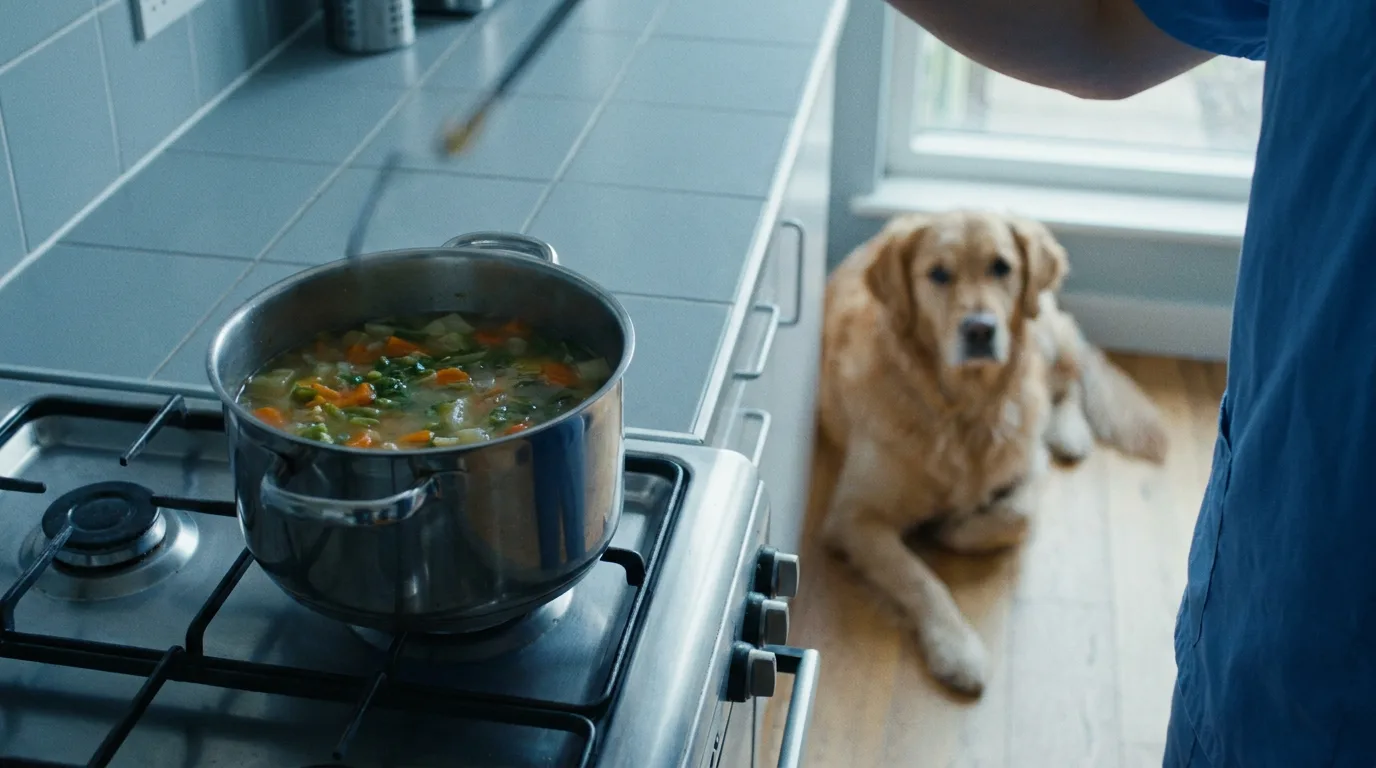
Can dogs eat soup and broth, and what is actually in the stock
Broth sounds like the gentlest thing you could give a dog. What makes it taste of anything is usually the part a dog should not have.
Read
Heartworm in dogs: the life cycle, the six-month window and prevention
Everything about heartworm turns on one interval: preventives act on larvae, and larvae become untouchable adults in about six months.
Read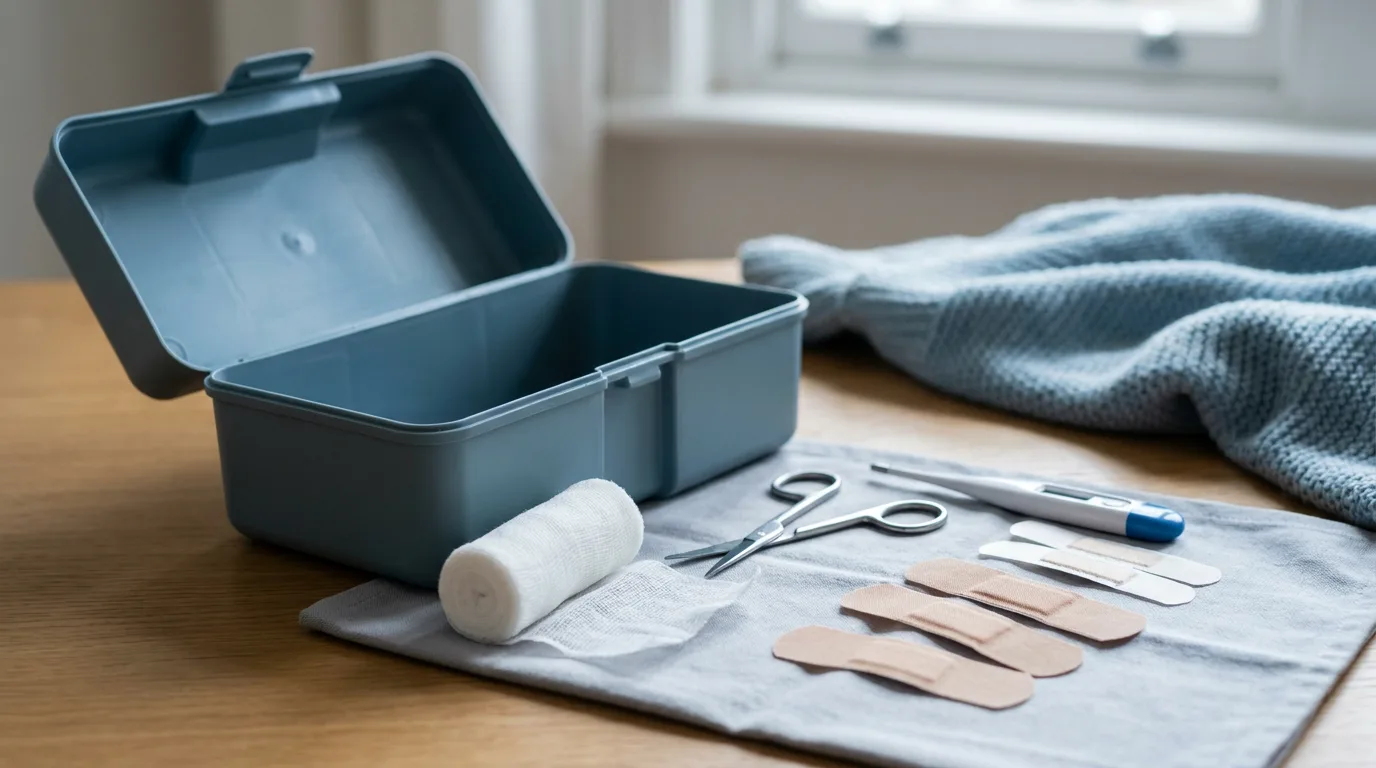
A first-aid kit for a dog: what belongs in it and what does not
A kit is not for treating an injury. It is for controlling bleeding, protecting a wound and getting the dog to a practice without making anything worse.
Read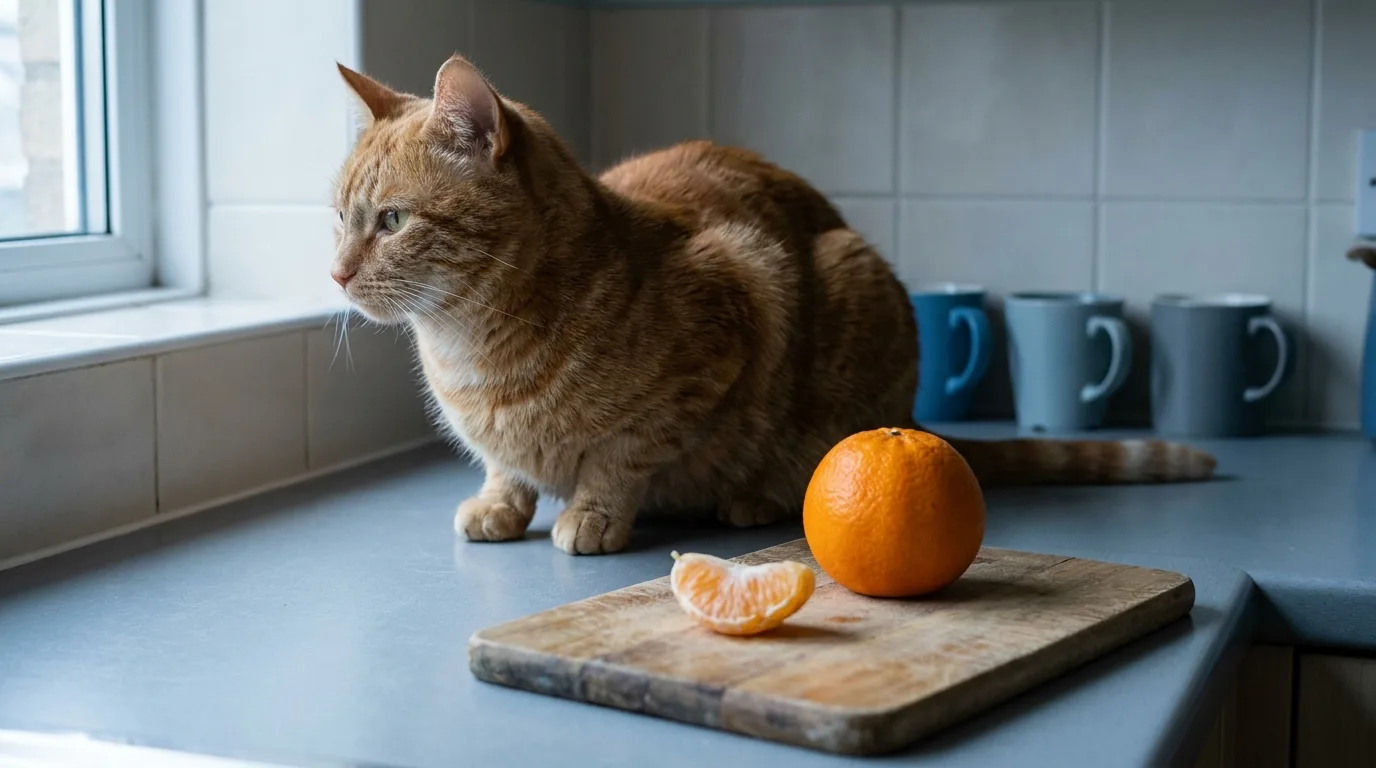
Can cats eat oranges, and why citrus oil is the part that matters
A segment of orange is a minor problem. A citrus-oil cleaner or a 'natural' flea spray is a different question entirely, and it is the one worth answering.
Read
Dental pain in cats: how it is hidden and what to look for
The commonest reason an owner is sure a cat's teeth are fine is that it is still eating. That is the least reliable evidence available.
Read
Parasite prevention for indoor cats: the routes that bypass a closed door
An indoor cat is protected from most of what it would meet outside. The parasites that matter are the ones that do not need the cat to leave.
Read
Obesity in cats: measuring it, and why weight loss has to be gradual
Cats are the one species where losing weight too fast is more dangerous than carrying it. That single fact governs everything else on this page.
Read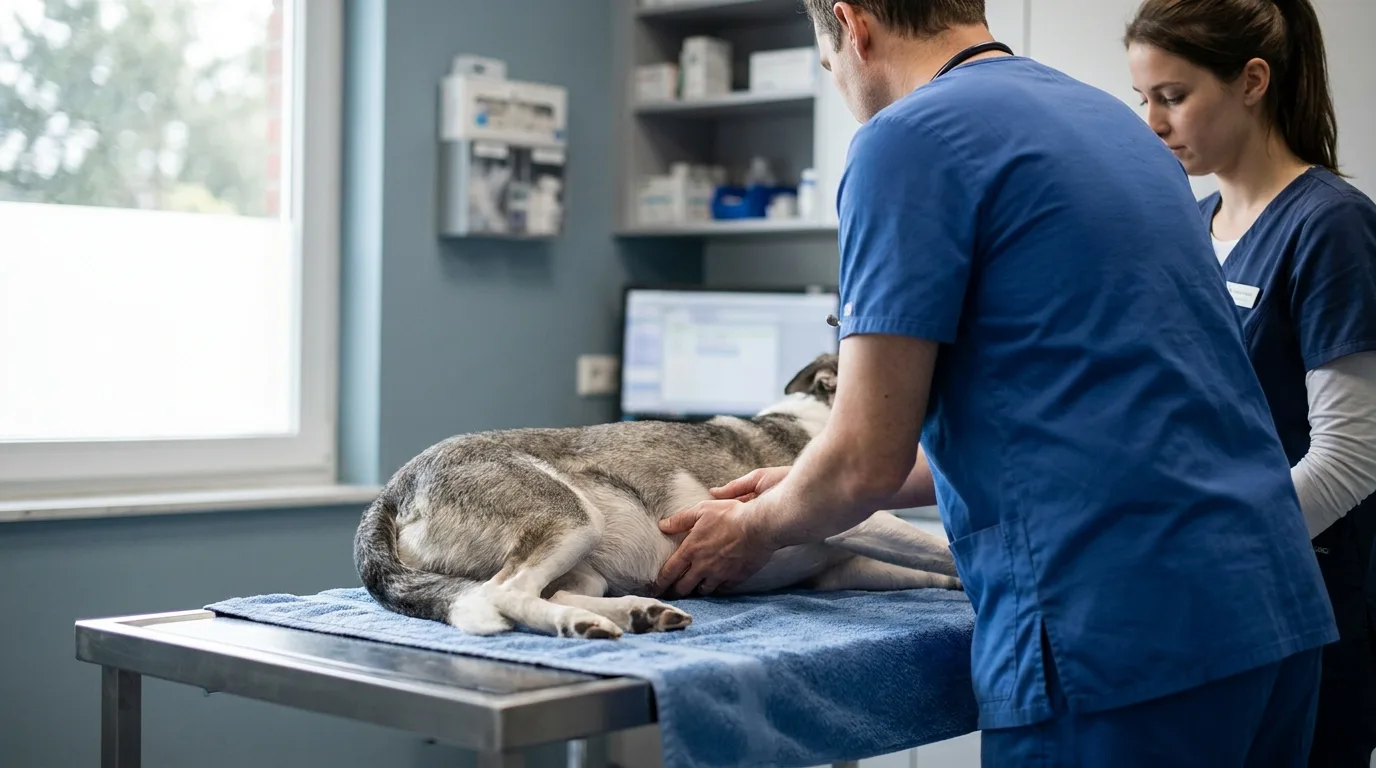
Intestinal obstruction in dogs: what it is and which signs cannot wait
A dog with a blockage and a dog with a stomach upset look similar for the first few hours. After that they diverge sharply, and only one of them is still improving.
Read
Can cats eat liver, and what regular liver feeding does over time
Almost every cat loves liver. It is also the clearest case in feline nutrition where a food is harmless once and harmful as a habit.
Read
How to take a dog's temperature at home and read the result
A temperature is the first thing a practice asks for over the phone. It is only useful if it was taken in conditions you can repeat.
Read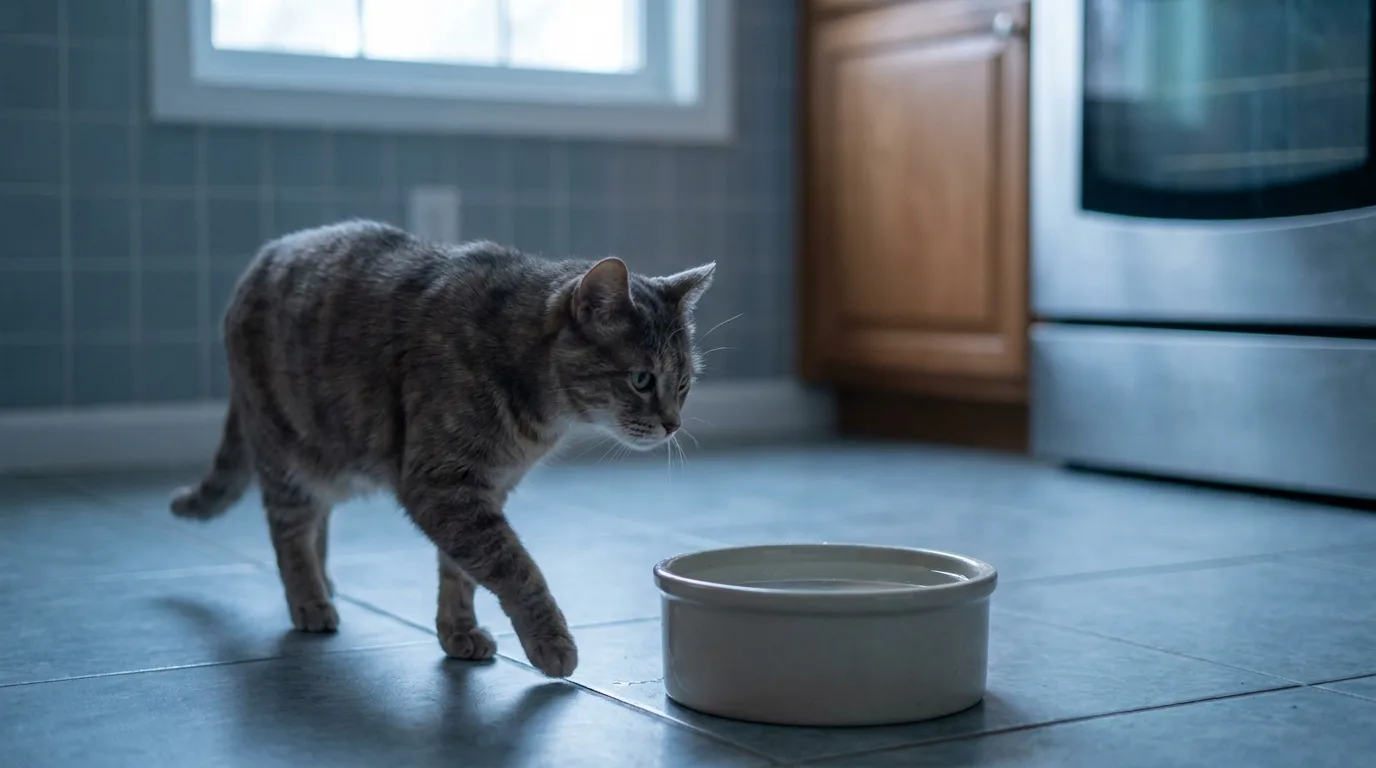
Dehydration in cats and dogs: the checks, the causes and the point of no delay
By the time dehydration is visible, several per cent of body water has already gone. The checks are worth knowing precisely because they are so late.
Read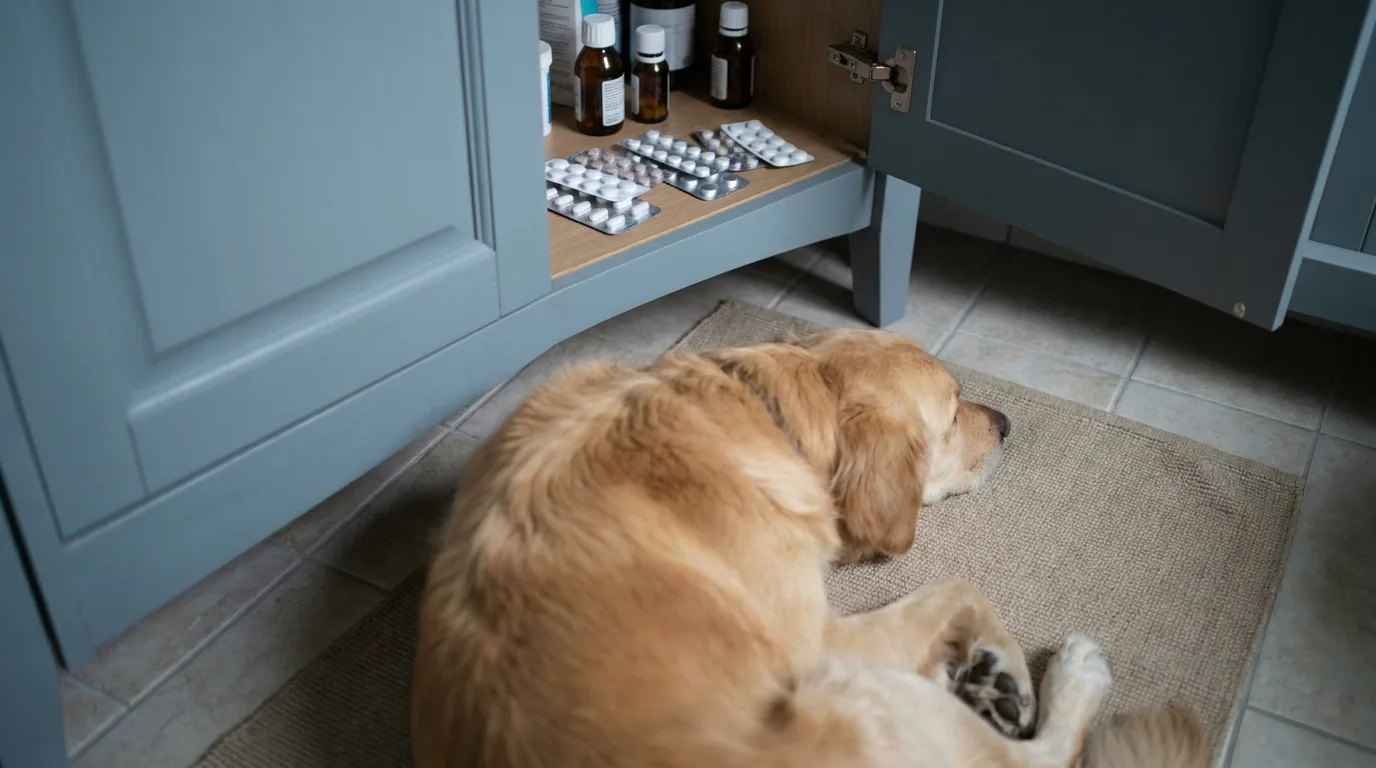
Can I give my dog human painkillers: paracetamol, ibuprofen and aspirin
A dog in pain and a packet on the shelf is the most sympathetic reason people reach for a human medicine. It is also how a painful evening becomes a hospital stay.
Read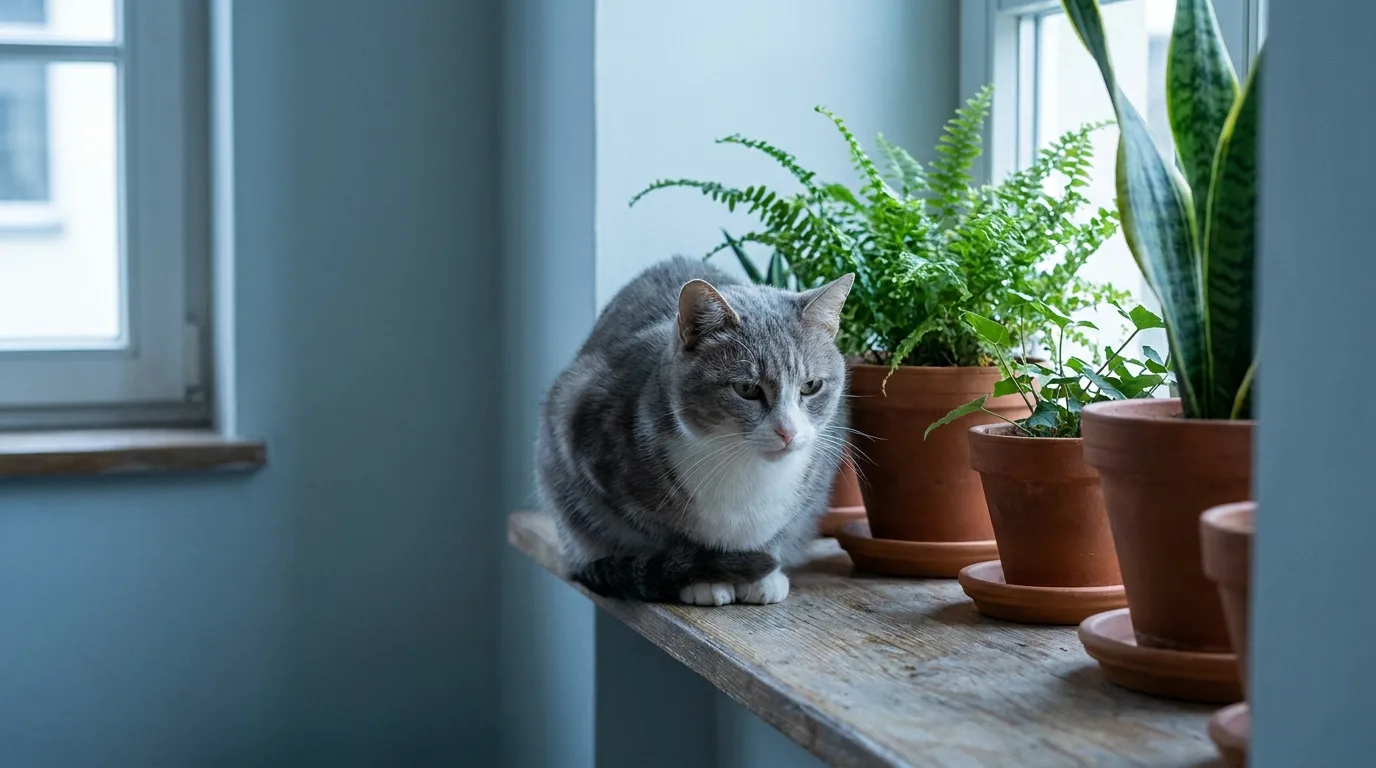
Houseplants that are toxic to cats, grouped by what they actually do
A list of names is hard to remember. A list of mechanisms is not, and it tells you which plant is an emergency and which is an unpleasant evening.
Read
Can dogs eat chicken bones, and what to do if one has been swallowed
A cooked bone does not behave like a bone. Drying makes it brittle, and brittle bone breaks into edges rather than crumbling.
Read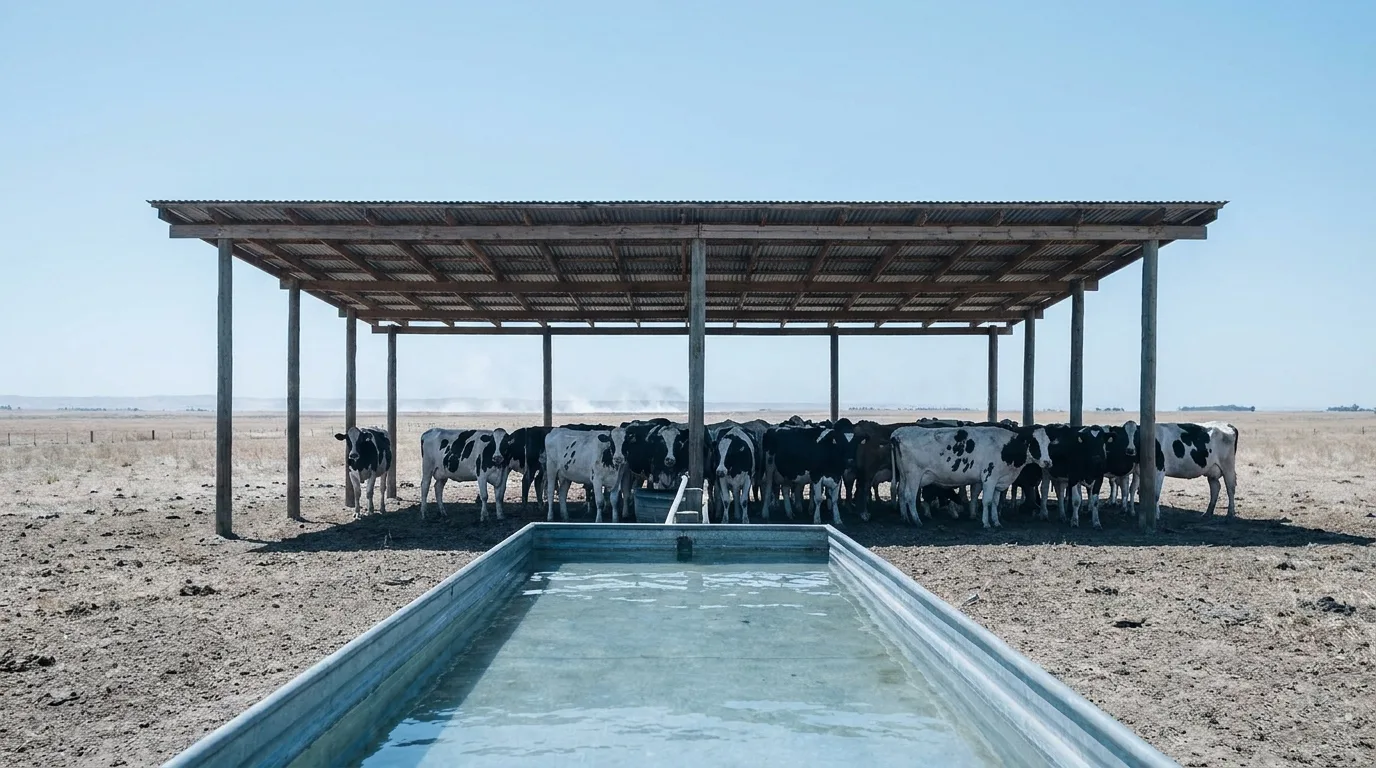
Heat stress in livestock and poultry: the temperature-humidity index and what to do
Animals lose heat by evaporation, and evaporation stops working as the air fills with moisture. That is why a humid 28 °C is harder on a herd than a dry 32 °C.
Read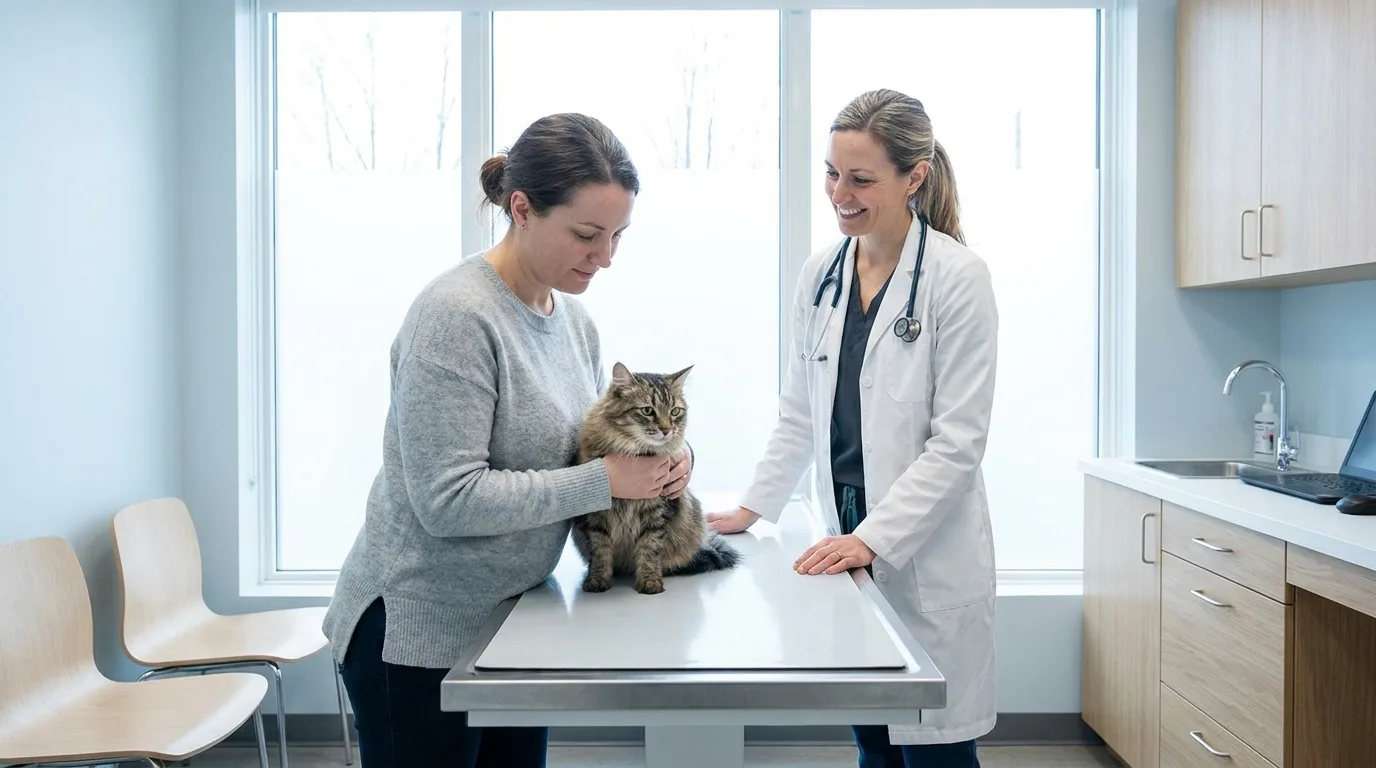
Early signs of illness in cats and dogs: what to watch for
Animals conceal illness competently. The signs that matter are usually changes in ordinary behaviour, and the useful question is what is different rather than what is wrong.
Read
Antimicrobial resistance on the farm: how it develops and what stewardship means
Resistance is not caused by bacteria learning. It is caused by selection — and every course of antimicrobials on a holding is a selection event with a size and a duration.
Read
Comparing veterinary medicines by active substance: analogue, generic and substitute
Two products naming the same substance are not therefore the same medicine. The substance is where a comparison starts; six further properties decide whether it finishes.
Read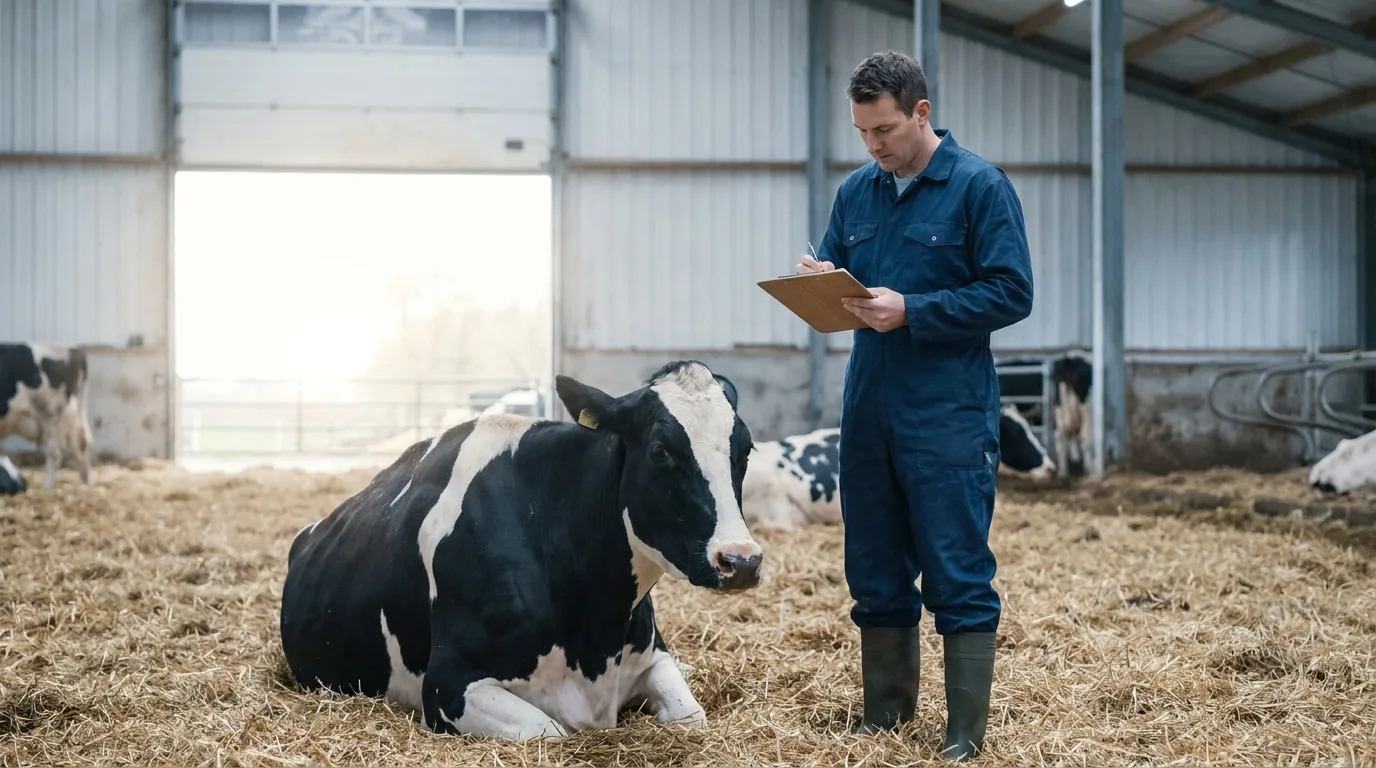
Normal temperature, pulse and respiratory rate by species
Three numbers anyone can take without equipment worth the name. Their value comes less from the published range than from knowing what this animal reads when it is well.
Read
Human medicines and pets: why they are dangerous for cats and dogs
The tablet in a kitchen drawer is the most common poisoning in companion animals. The reason is not carelessness — it is that a cat's liver is not a small human liver.
Read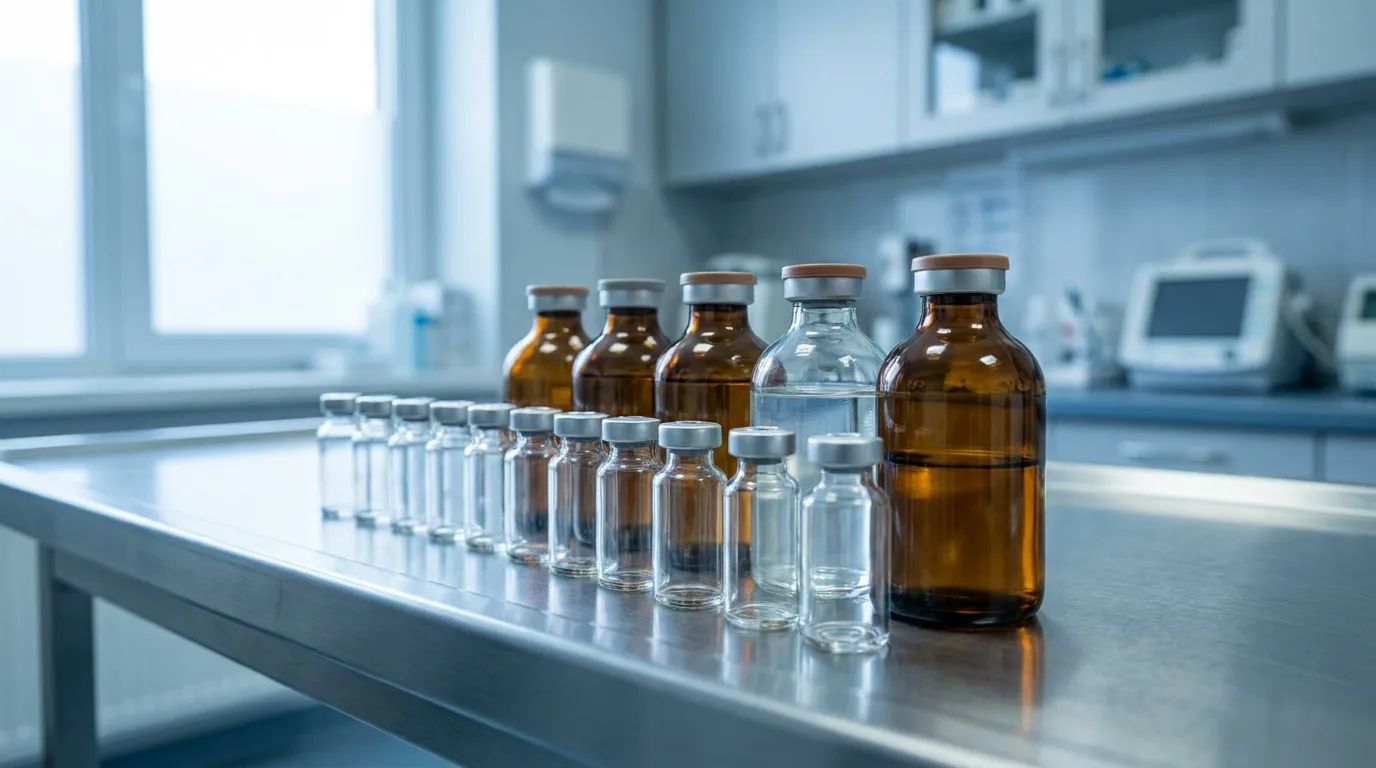
In-use shelf life: how long a veterinary medicine lasts once opened
The date printed on the carton describes a sealed container. The moment a stopper is punctured, a second and far shorter clock starts — and it is the one that governs.
Read
Storage conditions and the cold chain for veterinary medicines
Most of the potency a medicine loses is lost in a cupboard, a vehicle or a cool box — long before anyone thinks to ask whether the product worked.
Read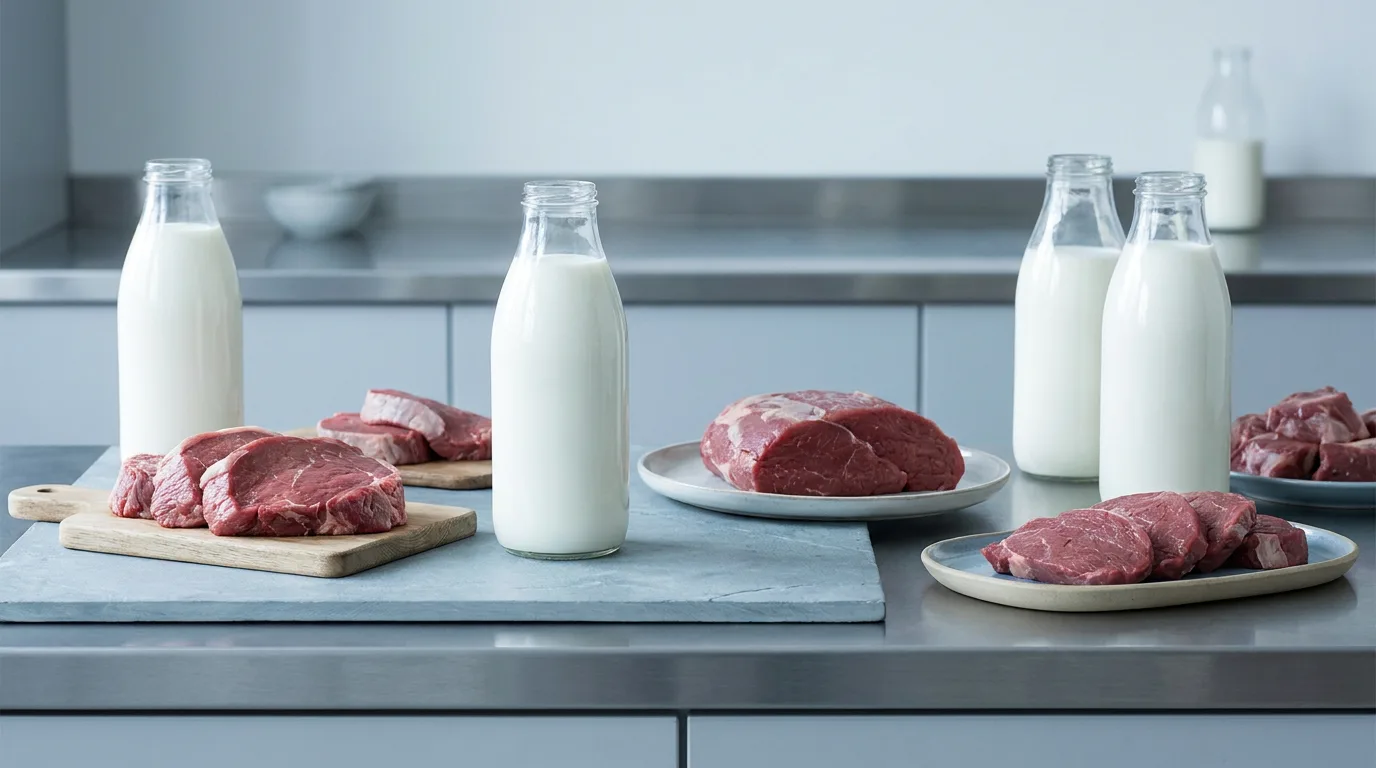
Withdrawal periods for meat, milk and eggs: what they are and where to find them
The interval between the last treatment and the moment produce may be sold is not a rule of thumb. It is a measured figure, specific to one product in one species by one route.
Read
Units on a veterinary medicine label: IU, mg/mL, percent, CFU and titre
A percentage, a milligram per millilitre and an international unit are three different kinds of statement. Here is what each one measures, which convert into each other and which never do.
ReadWhat the library covers
Veterinary medicine has a large, well-served literature about diseases and a much thinner one about the products used against them. The gap shows up in ordinary moments: a keeper holding two bottles that name the same substance at different strengths, a smallholder who has to work out when milk can go back into the tank, an owner who has already opened a vial and wants to know whether the rest of it is still worth keeping. Those are the questions this library answers.
- Reading a label
- What the numbers on a container mean before anything is measured out: strength expressed as a percentage against milligrams per millilitre, international units on a biological product, and why a bigger bottle is not a stronger one. units, strengths and what they convert to · matching two products by active substance
- Keeping a product usable
- Most of the value a medicine loses is lost in a cupboard, a car boot or a cool box, long before anyone questions whether the product worked. Two articles cover the conditions on the label and the much shorter clock that starts the moment a container is opened. storage conditions and the cold chain · how long a product lasts after opening
- Food-producing animals
- Where a treatment decision reaches beyond the animal: the waiting time before meat, milk or eggs may enter the food chain, and the stewardship rules that decide which antimicrobials are used at all. withdrawal periods and residue limits · antimicrobial resistance and stewardship · heat stress and what it changes
- Noticing a problem early
- Observation is the part no product replaces. Reference ranges for the vital signs a keeper can actually take, and the changes in behaviour that are worth a call rather than a wait. temperature, pulse and respiratory rate · early signs of illness in cats and dogs
- The medicine cabinet at home
- The single most common poisoning case in companion animals starts with a well-meant tablet from a human pack — because the same molecule is handled differently by a species with different liver enzymes. why human medicines harm cats and dogs · human painkillers and dogs · what belongs in a dog first-aid kit
- What a cat or dog may eat
- The recurring kitchen question, answered by mechanism rather than by folklore: what the hazard actually is in each food, whether it is dose-related or absolute, and which species it applies to. chicken bones and dogs · liver and cats · citrus and cats · processed meat and cats · potato and cats · soup, broth and table food · houseplants that are toxic to cats
- When it cannot wait
- A short list of presentations where the interval between noticing and acting is what decides the outcome, and where nothing done at home substitutes for the phone call. intestinal obstruction in dogs · dehydration and how to check for it
- Things an owner can do properly
- Procedures that are genuinely within a keeper’s reach, described precisely enough to produce a result a veterinarian can use rather than a reading that has to be repeated. taking a dog’s temperature · collecting a urine or stool sample · the first two weeks after surgery · what the abbreviations on a report mean
- Conditions that unfold slowly
- Problems that are established long before they are obvious, where the useful contribution is knowing which small change is worth mentioning at the next appointment. obesity in cats · diabetes in dogs · dental pain in cats · heartworm and where it occurs · parasite prevention for indoor cats
- Behaviour, not disobedience
- Two of the most common complaints about dogs are developmental or emotional in origin, which is why the interventions that work look nothing like discipline. socialisation and the windows that matter · why dogs chew furniture
Why the label is the reference and not the starting point
Every article here defers to the same document: the labelling approved for the exact product in front of you — the package leaflet, the summary of product characteristics, the datasheet, depending on where you are. That is not modesty. It is the only text that is specific to a strength, a formulation, a target species and a marketing authorisation, and it is the text a regulator has actually assessed.
A general article cannot be specific in that way and should not pretend to be. Two products naming the same active substance can carry different concentrations, different excipients, different approved species, different routes and different waiting times before meat or milk may be sold. The substance name is where a comparison begins; the label is where it is settled. Everything written here is built to make that comparison easier to do — by explaining what the fields on a label mean, which of them are load-bearing, and which differences matter enough to stop and check.
The second thing these pages will not do is tell you what to give an animal. There is no dosing here, no treatment schedule, no advice on choosing between products for a sick animal in front of you. That is a clinical decision, it depends on an examination, and it is regulated for good reason in most of the world. What this site offers instead is the part that is genuinely general: how the system of labelling, classification and residue control works, so that the conversation with a veterinarian starts from a better place.
Rules differ by country, and the articles say so wherever it changes the answer. The mechanisms — why a species metabolises a molecule differently, why a vaccine loses potency at the wrong temperature, why residues are measured against a limit rather than against zero — do not differ. Where a specific figure is national rather than universal, it is named as such, and the authority that publishes it is named with it.
The people these articles are written for are the ones who end up holding the container: the smallholder with six cows and no in-house veterinary team, the stockperson who has been handed a bottle and an instruction, the owner reading a leaflet at a kitchen table at eleven at night. Professionals are welcome and some of the reference tables are built for them, but the register is deliberately set for someone competent and unqualified rather than for a specialist audience. That is a decision about vocabulary, not about rigour — nothing is simplified to the point where it stops being true, and where a concept genuinely requires a technical term, the term is used and then explained.
Each article is built to survive being read in fragments, because that is how reference material is actually used. Headings are the questions people type. The first sentences under a heading answer that heading without depending on the paragraph above. Figures carry the numbers the surrounding text states, so a chart lifted out of the page can still be checked against it. Every article closes with a bottom-line section written to be correct on its own, for the reader who scrolls straight there and for the software that increasingly does the same.
What this site is, plainly
Galen is an independent publisher. It is not a clinic, a laboratory, a distributor or a regulator, and it sells nothing to the people who read it. The articles are written by an editorial team working from public regulatory material and manufacturers' labelling, and they are reference documents rather than professional advice. No page here has been through peer review, and none of them carries the byline of a practising clinician — where that matters, it is said on the page rather than implied away.
If something on this site is wrong, outdated or ambiguous, we would rather know. The about page explains who writes it, how a page is put together, what gets corrected and how to reach us.